
Phone Number
80542 00111, 9638347000
snehospital@gmail.com

SBK LasikIK
- Home
- SBK Lasik
About SBK LASIK
Advanced SBK LASIK Surgery For Clear Vision Without Glasses
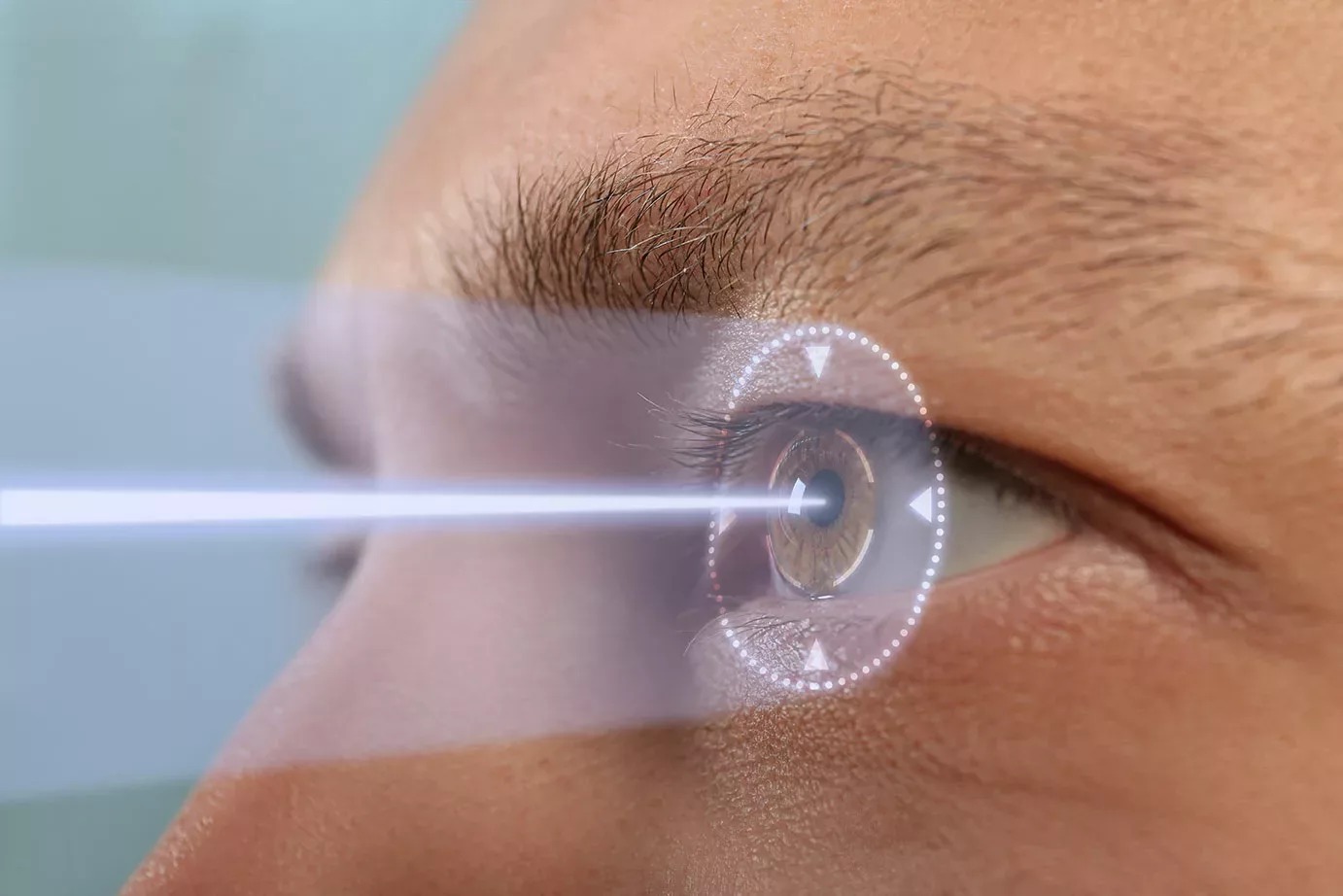
ASIK (Sub-Bowman Keratomileusis) is an advanced laser vision correction procedure designed to reduce dependence on glasses and contact lenses. It uses a thin corneal flap technique with advanced microkeratome technology and excimer laser treatment to reshape the cornea according to the patient’s vision requirements.
At Singla Eye Hospital & Laser Vision Centre, SBK LASIK is performed using advanced technology including Moria Evolution 3 Microkeratome and Carl Zeiss MEL 90 Excimer Laser for precise vision correction.
Why Choose Singla Eye Hospital For SBK LASIK?
Advanced Laser Technology
MEL 90 Excimer Laser for precise vision correction.
Experienced Refractive Surgeons
Expert eye specialists providing personalized laser vision solutions.
Thin Flap LASIK Procedure
Creation of a thin corneal flap for effective and accurate treatment.
Complete Vision Care
Detailed evaluation and customized treatment plans for every patient.
How Does SBK LASIK Work?
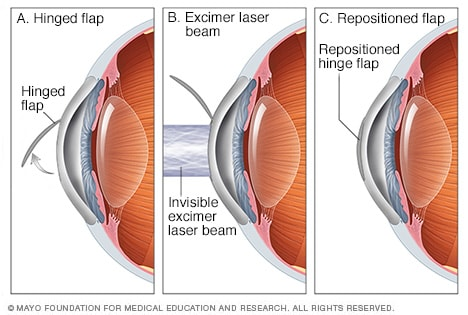
Thin Flap Creation
A precise thin corneal flap is created using advanced microkeratome technology.
Corneal Reshaping
Excimer laser pulses reshape the cornea according to the patient's prescription.
Vision Correction
The flap is repositioned and natural healing begins.
Benefits Of Bladeless LASIK
Freedom From Glasses
Helps reduce dependency on spectacles and contact lenses.
Thin Flap Technology
Creates a thinner corneal flap compared to traditional LASIK techniques.
High Precision
Advanced laser technology provides accurate vision correction.
Quick Procedure
The treatment is completed within a short time.
Proven Technology
SBK LASIK offers proven results with years of global success.
Types Of SBK LASIK
SBK LASIK
A conventional thin flap LASIK procedure that provides effective vision correction for suitable patients.
Topo Guided SBK LASIK
A customized procedure using corneal mapping technology to improve visual quality, contrast and night vision.
Am I A Candidate For SBK LASIK?
Every patient and every eye is different. A complete LASIK evaluation is required before surgery.
You may be suitable if:
- Age is above 18 years
- Eye power is stable for the last 6 months
- Cornea is healthy
- Retina examination is normal
- No active eye disease
Evaluation includes:
- Vision assessment
- Pentacam corneal scan
- Retina check-up
- Complete eye examination
SBK LASIK Procedure Time
The laser correction process takes only a few seconds while the complete procedure usually takes around 20–25 minutes for both eyes. The procedure is performed using numbing eye drops and does not require injections or bandages.
Recovery After SBK LASIK
After SBK LASIK:
- Vision improves gradually
- Dark glasses may be advised for protection
- Prescribed eye drops should be used regularly
- Follow-up visits should be completed
Patients can usually return to daily activities after doctor approval.
FAQ
Frequently Asked Questions
What is SBK LASIK Laser?
SBK LASIK (Sub-Bowman Keratomileusis) is an advanced laser vision correction procedure used to remove spectacle power permanently. In this procedure, a very thin corneal flap of around 90 microns is created using a microkeratome and the cornea is reshaped using an excimer laser according to the patient’s eye power.
Am I a candidate for SBK LASIK Laser?
Every patient and every eye is different, so a complete LASIK evaluation is required before surgery. The evaluation includes vision testing, Pentacam corneal scanning and retina examination.
Patients above 18 years of age with stable eye power, healthy retina and no major eye disease may be suitable candidates for SBK LASIK.
How much time does SBK LASIK surgery take? Is LASIK surgery painful?
The complete SBK LASIK procedure usually takes around 20 to 25 minutes for both eyes. The laser treatment itself takes only a few seconds.
The procedure is performed using numbing eye drops and does not require injections or bandages. Patients may feel mild irritation for a few hours after surgery.
How soon will I see clearly after SBK LASIK? When can I return to work or drive?
Most patients start experiencing clear vision from the next morning after surgery. Many patients can return to normal work and driving after doctor approval.
Protection from dust and water is advised during the initial recovery period and swimming or contact sports should be avoided as advised by the doctor.
How many times do I need to visit the doctor after SBK LASIK surgery?
Generally, patients are advised follow-up visits after surgery to monitor healing and vision improvement. Follow-up schedules may vary depending on individual eye conditions and recovery.
How accurate is SBK LASIK?
SBK LASIK provides highly predictable results when performed after proper evaluation. According to available data, most patients achieve excellent vision outcomes and a small percentage may require enhancement treatment in the future.
Will I need glasses after SBK LASIK surgery?
Most patients experience long-term freedom from distance glasses after SBK LASIK.
However, after the age of 40, natural age-related changes called presbyopia can affect near vision, and reading glasses may be required.
How many types of SBK LASIK Laser are available?
There are mainly two types of SBK LASIK procedures:
SBK LASIK:
A standard thin flap LASIK procedure that provides effective vision correction.
Topo Guided SBK LASIK:
A customized procedure using corneal mapping technology to improve visual quality, night vision and colour vision.
What is the difference between SBK LASIK and Topo SBK LASIK?
SBK LASIK mainly corrects spectacle power by reshaping the cornea.
Topo SBK LASIK uses advanced corneal mapping technology to customize treatment according to corneal irregularities, helping improve visual quality, night vision and contrast.
How long has SBK LASIK technology been used?
SBK LASIK is based on LASIK technology that has been used worldwide for many years. It is a well-established procedure for correcting refractive errors like myopia, hyperopia and astigmatism.
What is SBK LASIK Laser?
SBK LASIK (Sub-Bowman Keratomileusis) is an advanced laser vision correction procedure used to remove spectacle power permanently. In this procedure, a very thin corneal flap of around 90 microns is created using a microkeratome and the cornea is reshaped using an excimer laser according to the patient’s eye power.
Am I a candidate for SBK LASIK Laser?
Every patient and every eye is different, so a complete LASIK evaluation is required before surgery. The evaluation includes vision testing, Pentacam corneal scanning and retina examination.
Patients above 18 years of age with stable eye power, healthy retina and no major eye disease may be suitable candidates for SBK LASIK.
How much time does SBK LASIK surgery take? Is LASIK surgery painful?
The complete SBK LASIK procedure usually takes around 20 to 25 minutes for both eyes. The laser treatment itself takes only a few seconds.
The procedure is performed using numbing eye drops and does not require injections or bandages. Patients may feel mild irritation for a few hours after surgery.
How soon will I see clearly after SBK LASIK? When can I return to work or drive?
Most patients start experiencing clear vision from the next morning after surgery. Many patients can return to normal work and driving after doctor approval.
Protection from dust and water is advised during the initial recovery period and swimming or contact sports should be avoided as advised by the doctor.
How many times do I need to visit the doctor after SBK LASIK surgery?
Generally, patients are advised follow-up visits after surgery to monitor healing and vision improvement. Follow-up schedules may vary depending on individual eye conditions and recovery.
How accurate is SBK LASIK?
SBK LASIK provides highly predictable results when performed after proper evaluation. According to available data, most patients achieve excellent vision outcomes and a small percentage may require enhancement treatment in the future.
Will I need glasses after SBK LASIK surgery?
Most patients experience long-term freedom from distance glasses after SBK LASIK.
However, after the age of 40, natural age-related changes called presbyopia can affect near vision, and reading glasses may be required.
How many types of SBK LASIK Laser are available?
There are mainly two types of SBK LASIK procedures:
SBK LASIK:
A standard thin flap LASIK procedure that provides effective vision correction.
Topo Guided SBK LASIK:
A customized procedure using corneal mapping technology to improve visual quality, night vision and colour vision.
What is the difference between SBK LASIK and Topo SBK LASIK?
SBK LASIK mainly corrects spectacle power by reshaping the cornea.
Topo SBK LASIK uses advanced corneal mapping technology to customize treatment according to corneal irregularities, helping improve visual quality, night vision and contrast.
How long has SBK LASIK technology been used?
SBK LASIK is based on LASIK technology that has been used worldwide for many years. It is a well-established procedure for correcting refractive errors like myopia, hyperopia and astigmatism.