- Monday to Saturday Open (Sunday Closed)
- Morning : 09:00 AM to 02:00 PM
- Evening : 04:00 PM to 05:30 PM

80542 00111, 9638347000
snehospital@gmail.com
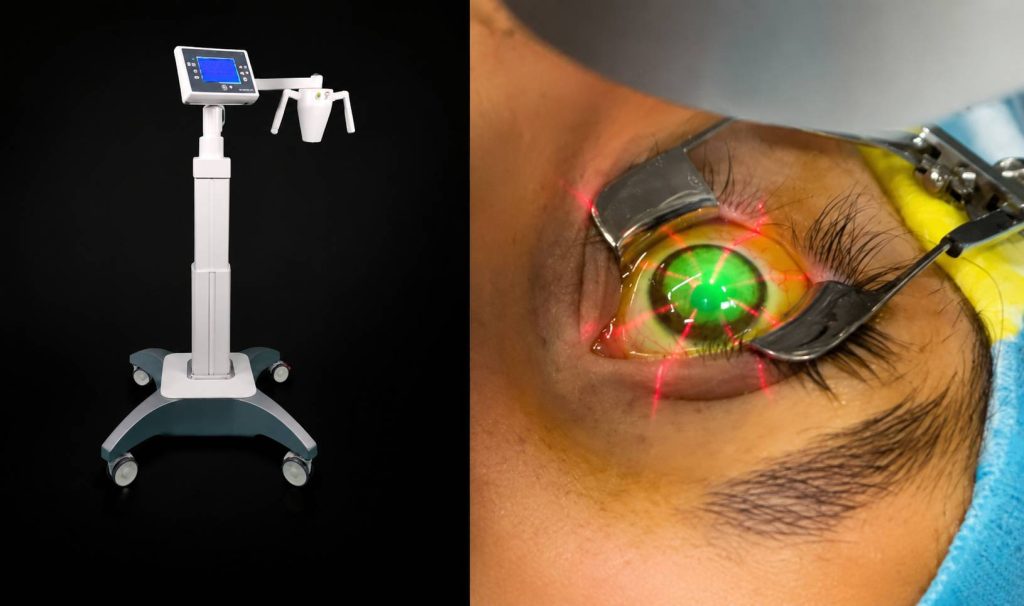
Apart from this singla eye hospital and laser vision centre is equipped with super-fast ACCELERATED C3R machine which takes half the surgical time compared to normal C3R machines. RGP Lenses are also available.
Expert specialists delivering advanced and accurate keratoconus care.
Modern diagnostic technology for precise corneal evaluation.
Customized treatments designed to match your unique eye condition.
Comprehensive care focused on protecting and improving your vision.
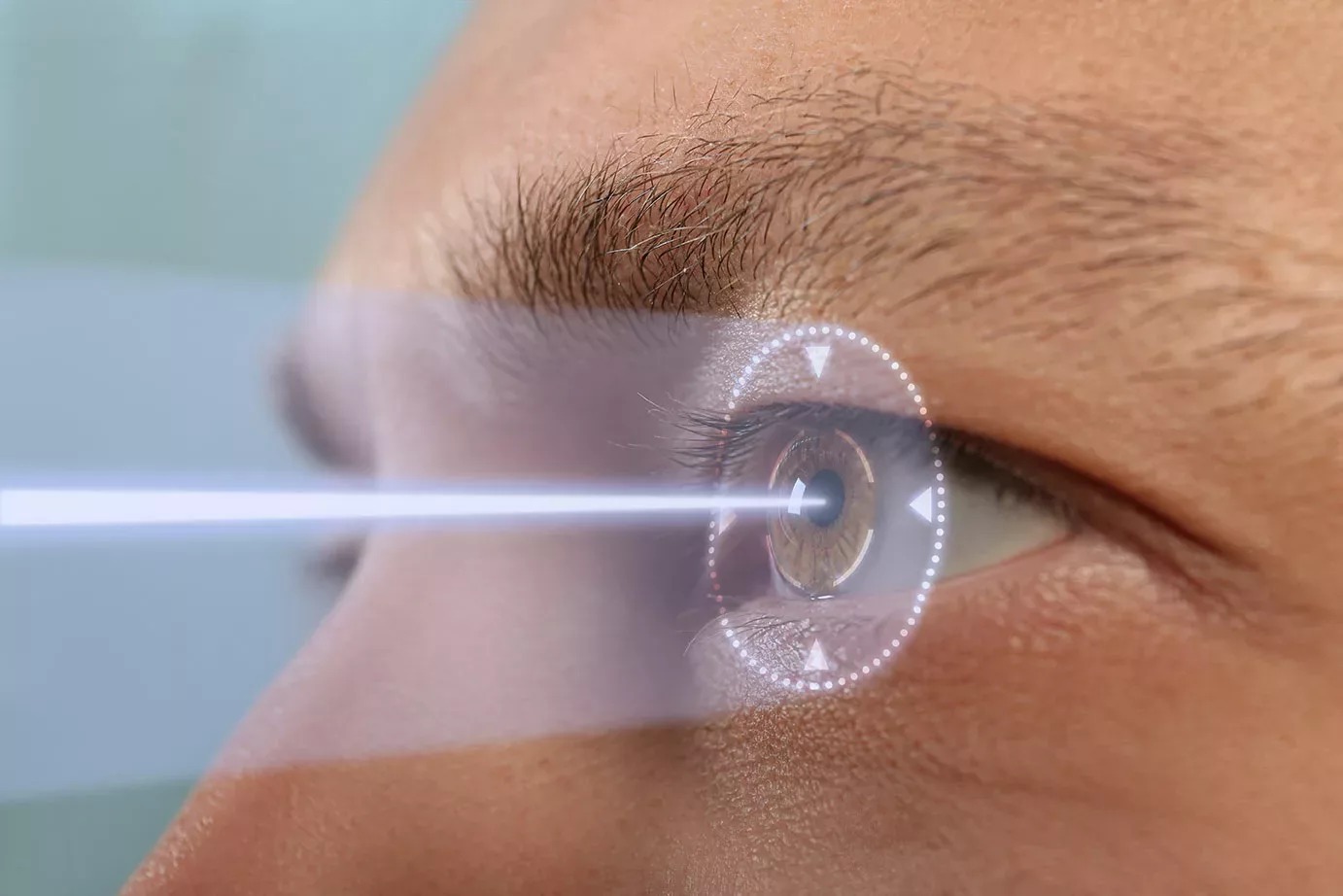
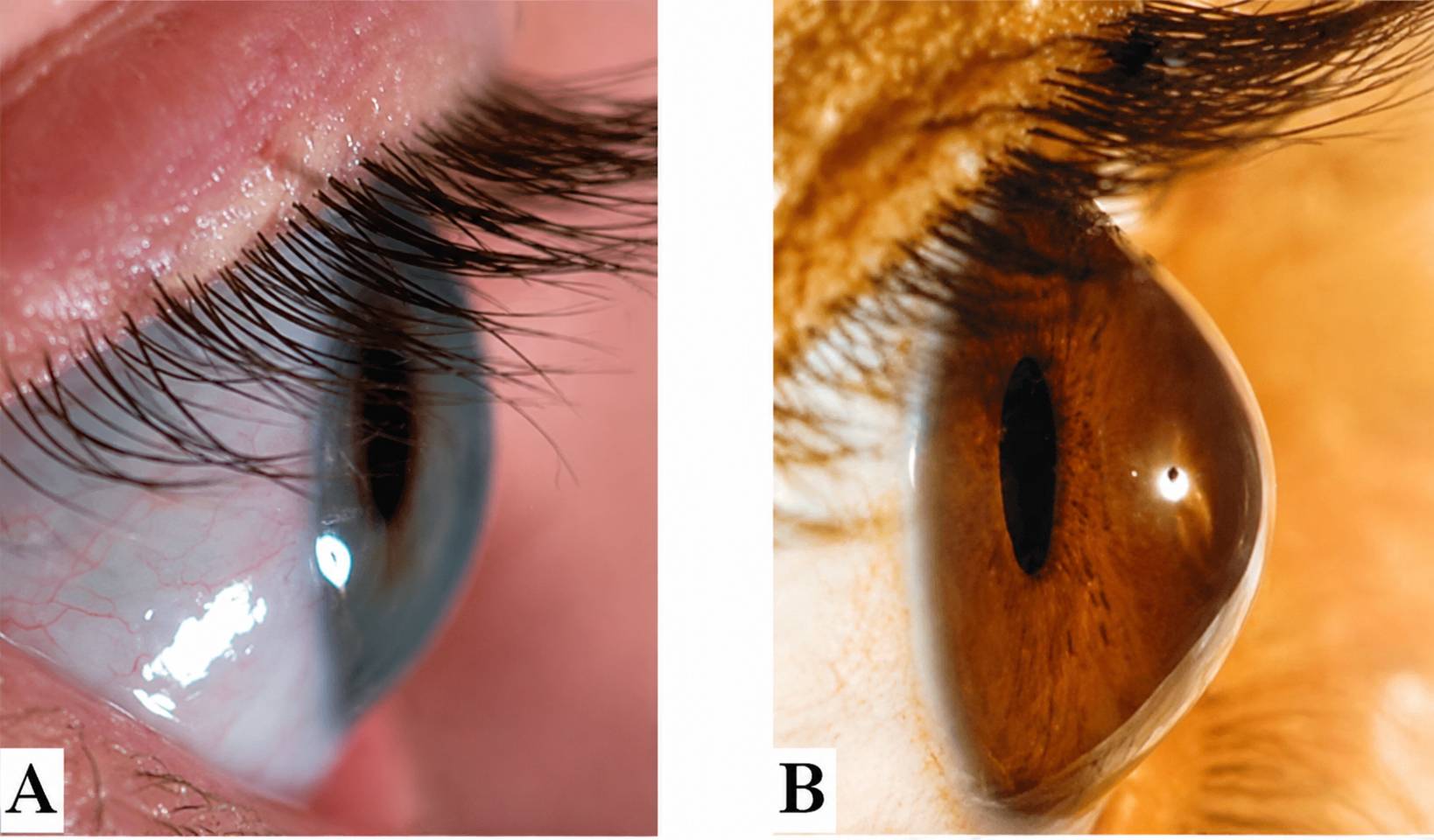
Keratoconus is a condition where the normally round cornea becomes thin and bulges outward into a cone-like shape. This change affects the focusing ability of the eye and may lead to blurred vision, irregular astigmatism and light sensitivity.
Early diagnosis helps in better management of keratoconus. A detailed eye examination may include:
Creates a detailed map of the cornea to identify shape changes.
Provides detailed analysis of corneal thickness and structure.
Checks overall eye health and vision condition.
Corneal Cross-Linking is an advanced treatment designed to strengthen the cornea and slow down the progression of keratoconus.
Customized contact lenses help improve vision by creating a smoother optical surface over the irregular cornea.
Small implants placed inside the cornea help improve corneal shape and vision quality.
Regular monitoring and personalized treatment help manage keratoconus effectively.
Keratoconus is a disease of both eyes in which the cornea, the transparent outer layer of the eye, becomes thin and weak. Due to weakness, the cornea starts bulging outward in a cone shape because of internal eye pressure. This condition affects vision quality and can cause significant vision problems.
The exact cause of keratoconus is still not completely known. It is believed that eye allergy and frequent eye rubbing are major factors responsible for keratoconus. Studies have shown that keratoconus can occur in approximately one person among 2000 normal people.
Common signs and symptoms of keratoconus include:
Early keratoconus can be difficult to diagnose. If a patient experiences frequent changes in glasses power, unusual spectacle numbers or poor vision even after wearing glasses, the doctor may recommend corneal topography, pachymetry and Pentacam scans.
These tests help determine the severity of keratoconus and assist in planning the appropriate treatment.
Treatment of keratoconus depends on the stage and severity of the condition. Available treatment options include:
Contact Lens:
Early keratoconus can be managed with RGP contact lenses. These lenses provide better vision compared to glasses in many keratoconus patients.
C3R (Corneal Collagen Cross-Linking):
C3R is an advanced treatment that uses ultraviolet light and Vitamin B2 to strengthen corneal collagen bonds. It helps stop the progression of keratoconus.
INTACS (Intra Stromal Ring Segment):
INTACS are special ring segments placed inside the cornea to improve corneal shape and help improve vision.
Corneal Transplant:
In advanced cases where other treatments are not effective or the cornea becomes severely damaged, corneal transplant may be required.
